
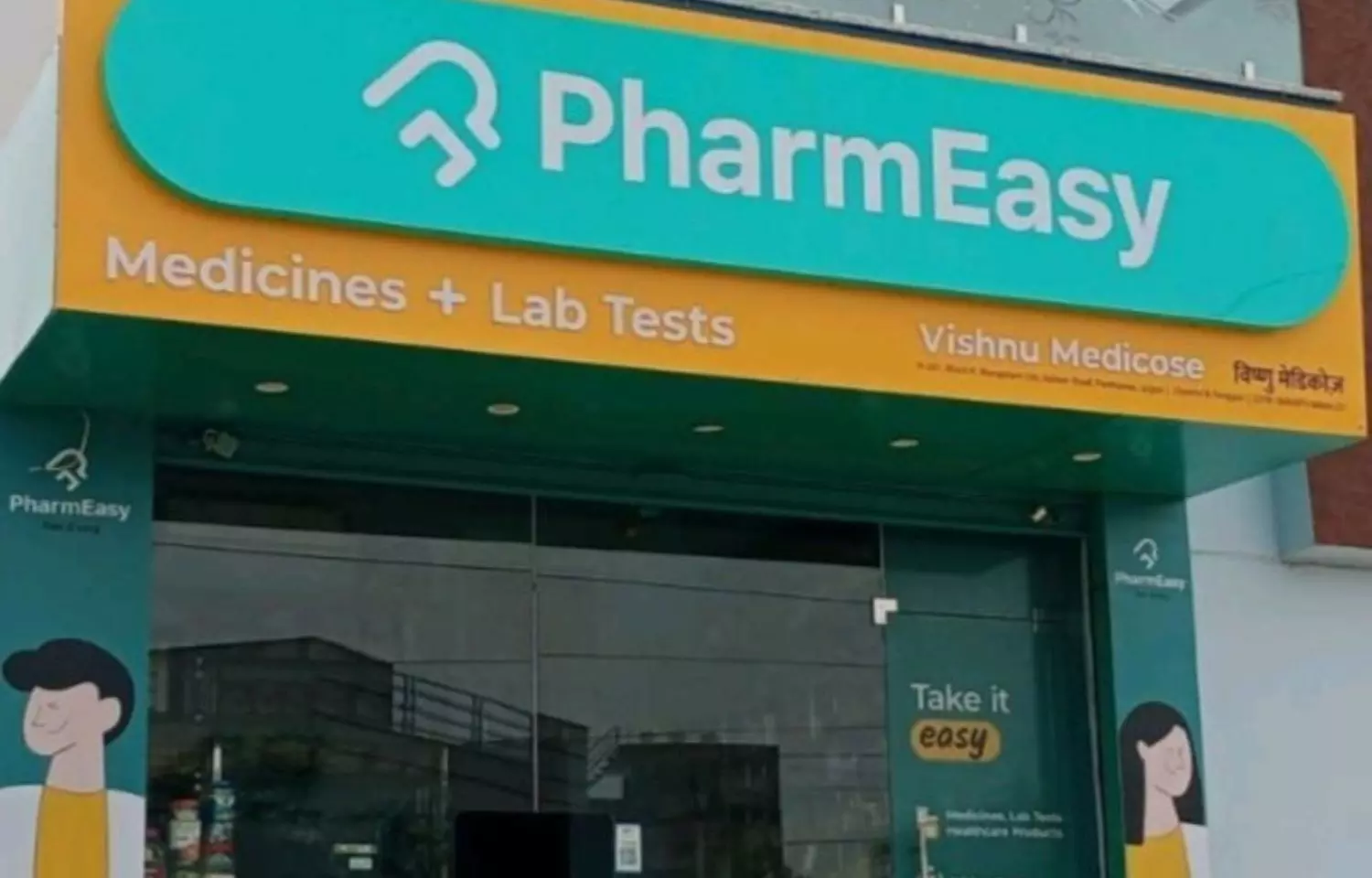
For years, PharmEasy symbolised the classic Indian startup trade-off: rapid scale funded by capital, but at the cost of sustained losses. Heavy discounts, fragmented operations, and expensive debt weighed down the balance sheet. Today, that narrative is changing.
Under new leadership, the company has shifted decisively from growth-at-any-cost to profit-first execution. The stated goal is clear and time-bound: profitability by March FY27. More importantly, the actions underway suggest this is not just aspirational messaging.
A Leadership Reset with Operational Intent
The appointment of Rahul Guha as CEO of API Holdings marks a structural reset. Guha also leads Thyrocare, one of India’s most profitable diagnostics players. His mandate is straightforward: impose financial discipline, simplify the operating structure, and fix unit economics before chasing valuation events.
This matters. PharmEasy no longer views profitability as a by-product of scale, but as a prerequisite for survival and long-term value creation.
Balance Sheet Repair Comes First
One of the most critical steps has been addressing leverage. API Holdings refinanced nearly ₹1,700 crore of high-cost debt at significantly lower rates and used partial Thyrocare stake sales to reduce interest burden. This single move materially improves cash flows and extends runway.
For investors, this is foundational. Sustainable profitability is impossible without fixing financing costs. PharmEasy has acknowledged that reality and acted accordingly.
Operational Integration: Margin, Not Just Cost Cutting
Historically, only about 40% of PharmEasy’s medicine sourcing was internal. That figure has now risen to roughly 85%. The implication is simple but powerful: better procurement economics, improved control over inventory, and structurally higher gross margins.
Alongside this, the company has rationalised warehouses, automated fulfillment, and exited non-core pilots. This is not cosmetic cost reduction. It is a redesign of the operating model with margins at the centre.
Moving Beyond a Low-Margin Pharmacy Model
Pure medicine delivery is a race to the bottom. PharmEasy appears to understand this clearly.
The company is actively increasing its share of higher-margin private-label and generic medicines, expanding subscription-led loyalty programs, and cross-selling diagnostics, teleconsultations, vaccinations, and elder-care services. Private labels are reportedly growing at over 25 percent annually, while subscription users now form a meaningful share of the active customer base.
For investors, this diversification is crucial. It shifts the business from a commoditised logistics play to a healthcare services platform with multiple profit pools.
A Smarter Customer Focus
Instead of competing aggressively on ultra-fast delivery, PharmEasy is prioritising chronic patients with recurring medicine needs. These customers value reliability and pricing consistency more than speed. That preference aligns naturally with better margins, predictable demand, and lower customer acquisition costs.
This segment-led strategy reflects maturity and discipline — two traits that were missing in the earlier growth phase.
Early Signs of Execution
The numbers are beginning to reflect the strategy. Losses have narrowed sharply, and the group has already reported EBITDA positivity (excluding ESOP costs). Monthly cash burn has compressed dramatically, indicating that the turnaround is not theoretical.
Thyrocare continues to act as a profitability anchor, offering stability while the core PharmEasy platform is re-engineered.
What This Means for Investors
PharmEasy’s roadmap is not without risk. Online pharmacy remains competitive, pricing pressure persists, and execution will need to be consistent over multiple quarters. However, the direction is materially different from the past.
The key takeaway for unlisted investors is this: PharmEasy is no longer selling a story of future scale alone. It is selling a story of discipline, integration, and eventual profitability.
Any IPO or capital-market event will likely be pursued only after the business proves it can generate profits. That restraint, in itself, is a positive signal.
The Bottom Line
PharmEasy’s transition from burn to earn is not guaranteed, but it is finally grounded in operational reality. Debt has been restructured, margins are being rebuilt, and the business model is evolving beyond discounts.
If execution holds, FY27 could mark a genuine inflection point – not just for profitability, but for investor confidence.
For long-term unlisted investors, this is a turnaround worth tracking closely.