
Budget 2026 did not announce a headline-grabbing reform. Instead, it quietly laid the foundation for what could become India’s next long-term compounding cycle in the digital economy.
Market veteran Raamdeo Agrawal described the Budget as a turning point comparable to the 1990s software boom. His reasoning is simple but powerful. India is already adopting AI at scale. What the Budget does is enable India to build the infrastructure that powers AI, effectively positioning the country as an “AI factory” rather than just an end user.
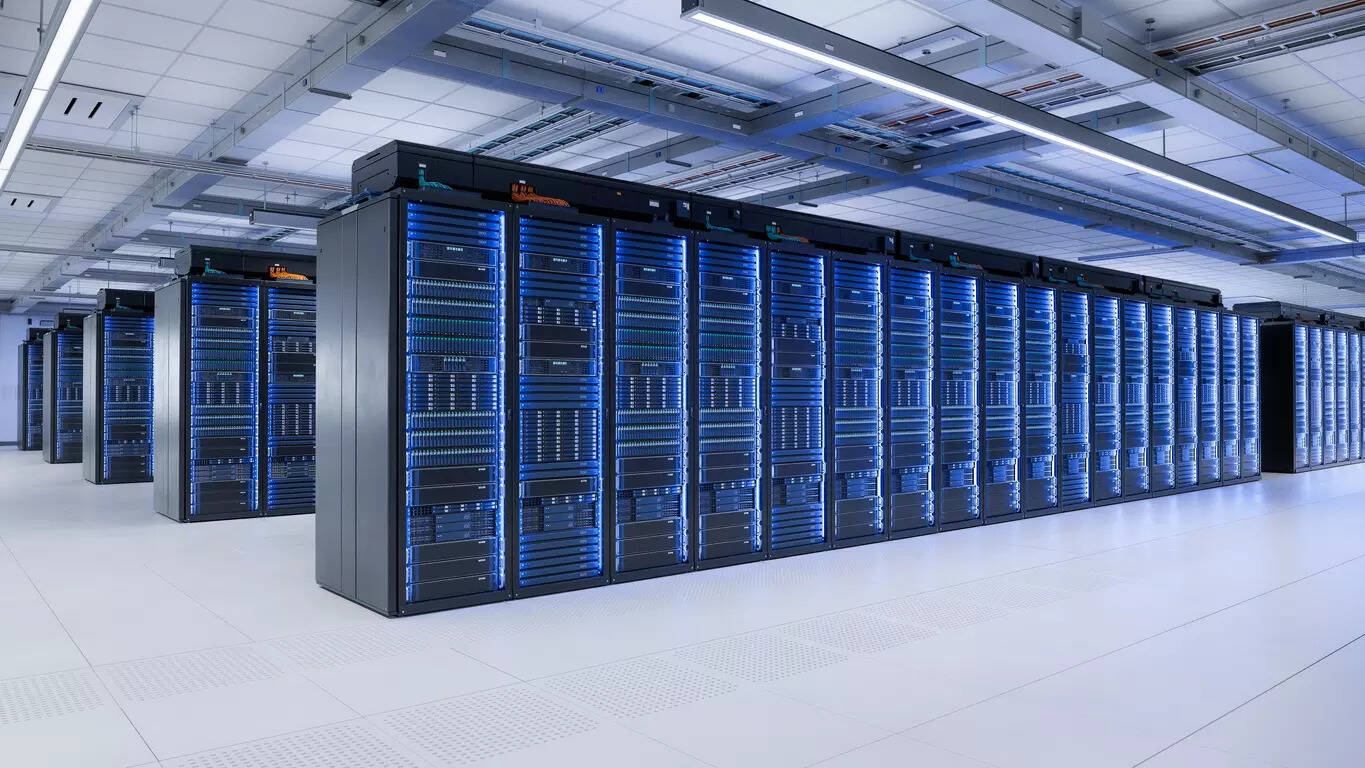
The centrepiece of this shift is the tax holiday till 2047 for foreign cloud companies, conditional on setting up data centres in India and routing services to Indian customers through Indian resellers. For global hyperscalers, this offers exactly what large infrastructure investments need: long-term certainty. Data centres are capital-heavy assets with multi-decade lifecycles. Once built, they are permanent.
The more strategic element, and the one Raamdeo Agrawal implicitly highlights, is the reseller condition. Foreign cloud providers cannot directly monetise Indian demand. They must work through Indian companies. This ensures that while global capital flows into India, long-term revenue, client ownership, and operating leverage stay within the domestic ecosystem. Indian IT and cloud service firms become unavoidable participants in growth.
Beyond technology, the impact spreads across the economy. Data centres drive demand for power, renewables, real estate, fibre, cabling, cooling systems, and EPC services. Each new facility acts as an anchor for wider infrastructure creation, generating employment across multiple layers.
From an investor perspective, this is not a near-term market trade. It is the early stage of a long-duration structural theme. As Raamdeo Agrawal pointed out, short-term volatility may exist, but India’s long-term earnings story remains intact. The real value will be created quietly over time, just as it was during the early years of the software boom.
Budget 2026 may not look dramatic today. But years from now, it could be remembered as the moment India began building the backbone of its digital future.